

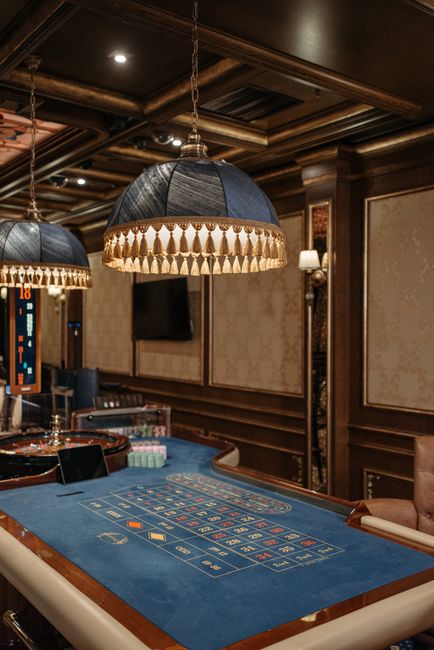
You sit down at a virtual blackjack table, the dealer’s avatar shuffles a fresh shoe, and you feel that familiar jolt. It’s the same rush that pulls millions into online slots, sportsbooks, and poker rooms every day. But here’s the uncomfortable truth: most players lose not because the games are rigged, but because they don’t understand the mechanics behind the thrill. Whether you’re spinning reels at 3 a.m. or grinding a Sunday poker tournament, the difference between a fun session and a slow bleed comes down to a few brutal, non-negotiable details. Let’s cut through the noise.
Every slot has two personalities: RTP (return to player) and volatility. RTP is a long-term average—a 96% slot pays back $96 for every $100 wagered over millions of spins. Volatility is the ride. Low-volatility slots like Starburst (RTP 96.1%) payout frequently but in small doses. High-volatility beasts like Book of Dead (RTP 96.2%) can go 50 spins without a win, then slam you with a 5,000x multiplier.
Here’s what the marketing won’t tell you: high volatility doesn’t mean higher RTP. They’re independent. A slot can be low volatility and 94% RTP—a terrible long-term bet. Your job is to match volatility to your bankroll. If you have $50 and want two hours of play, low volatility is your friend. Chase a jackpot on a $50 bankroll with a high-volatility slot and you’ll likely bust in 15 minutes. Concrete tip: check the game’s help screen for “hit frequency.” Under 20% means long dry spells. Over 30% means steady nibbles.
Also, ignore “hot” and “cold” myths. Each spin is independent—RNGs don’t remember your last loss. The only thing that changes is your balance and your emotional tilt. For a closer look, LLWIN has helpful details.
Online poker killed the classic physical tells—no twitching eyebrows or shaky hands. But digital tells are real, and they’re measurable. I’ve logged over 10,000 hands of micro-stakes online, and three patterns repeat:
In live poker, the strongest tell isn’t trembling hands—it’s breathing. When a player holds their breath after a big bet, they’re usually bluffing. When they exhale slowly and relax, they have it. Practice noticing that at your next home game.
Sports betting isn’t about picking winners—it’s about finding mispriced odds. A coin flip should pay +100 (even money). If a book offers +105 on a true 50/50, that’s a 2.4% edge. Over 1,000 bets, that edge compounds into serious profit. Most bettors lose because they chase parlays and favourites without calculating implied probability.
Here’s the formula: Implied probability = 1 / decimal odds. A -150 favourite (decimal 1.67) implies a 60% chance. If you think the true chance is 55%, that’s a bad bet. But a +180 underdog (decimal 2.80) implies 35.7%. If you think the true chance is 40%, that’s value. Concrete example: In the 2024 Super Bowl, many books offered the 49ers at -130 to win. That implies 56.5%. Sharp bettors who rated them at 52% passed. The Chiefs won outright. Value doesn’t guarantee a win—it guarantees long-term profit if you’re right more than the market.
Three quick rules for bankroll management:
You can play perfect poker and still lose three buy-ins in a night. That’s variance. The players who survive are the ones who treat their bankroll like a business expense. For cash games, you need 20 buy-ins for no-limit hold’em (e.g., $200 bankroll for $10 buy-in). For tournaments, 50-100 buy-ins. For slots, set a loss limit before you spin—say $100—and when it’s gone, you’re done. No “one more spin” exceptions.
I’ve seen too many good players go broke because they moved up stakes after a hot streak. Don’t. Move up only when you’ve doubled your bankroll at your current level. And never, ever chase losses with money you can’t afford to lose. The house doesn’t feel pity.
Poker legend Phil Ivey once said, “If you can’t spot the sucker at the table in 30 minutes, you are the sucker.” Online, that means table selection. Open six tables, watch for five minutes, and find the one with the highest average pot and the most limpers. Those are your profit centres. For slots, choose games with RTP above 96% and volatility that matches your personality. For sports betting, line shop—the difference between -110 and -105 on a $100 bet is $4.54 over 100 bets. That’s a free dinner.
iGaming is a beautiful, brutal ecosystem. The slots don’t care about your birthday. The poker table doesn’t care about your bad beat story. The sportsbook doesn’t care about your gut feeling. What matters is understanding probability, managing your emotions, and exploiting small edges relentlessly. The next time you log in, ask yourself: am I making a +EV decision, or am I just paying for entertainment? Both are fine—as long as you know which one you’re doing.

Growing Brook We spend our time finding what works so you don't have to, and sharing exactly what made the difference.

Growing Brook No rushing, no fuss — just thoughtful notes and practical help, written by people who care.

Discover compact vegetable varieties that thrive in pots, from courgettes to runner beans, with simple watering advice for beginners.

Comments
ALina Kelian
19th May 2018 ReplyGrowing Brook Written for people who value the details, and want honest guidance they can trust. ullamco laboris nisi ut aliquip ex ea commodo consequat.
Rlex Kelian
19th May 2018 ReplyGrowing Brook No rushing, no fuss — just thoughtful notes and practical help, written by people who care. ullamco laboris nisi ut aliquip commodo.
Roboto Alex
21th May 2018 ReplyGrowing Brook We spend our time finding what works so you don't have to, and sharing exactly what made the difference. ullamco laboris nisi ut aliquip ex ea commodo consequat.