

Growing vegetables in pots on a patio is one of the most rewarding ways to get a taste of kitchen gardening, even if your outdoor space is the size of a doormat. The trick is choosing compact varieties, getting your watering right, and accepting that containers dry out far faster than a raised bed ever will. Get those three things sorted and you will be harvesting courgettes, runner beans and handfuls of salad leaves within a few months.
Before you buy a single seed, think about what you are growing into. A courgette in a small pot will sulk and produce nothing; the same plant in a 30-litre container will romp away. As a rough guide, salad leaves and herbs are happy in 5 litres, bush tomatoes and peppers want 10 to 15 litres, and anything vigorous like courgettes or runner beans needs at least 25 to 30 litres per plant.
Terracotta looks lovely but dries out quickly in summer, so glazed ceramic, plastic or fabric grow bags are more forgiving. Whatever you choose, drainage holes are non-negotiable. Stand pots on feet or broken tiles so water can escape freely rather than pooling underneath.
Fill them with a peat-free multipurpose compost rather than garden soil, which compacts in containers and drains poorly. Mix in a handful of slow-release vegetable feed at planting time, and plan to top up with a liquid tomato feed once flowers appear. Crops in pots are entirely dependent on what you give them, so feeding is not optional.
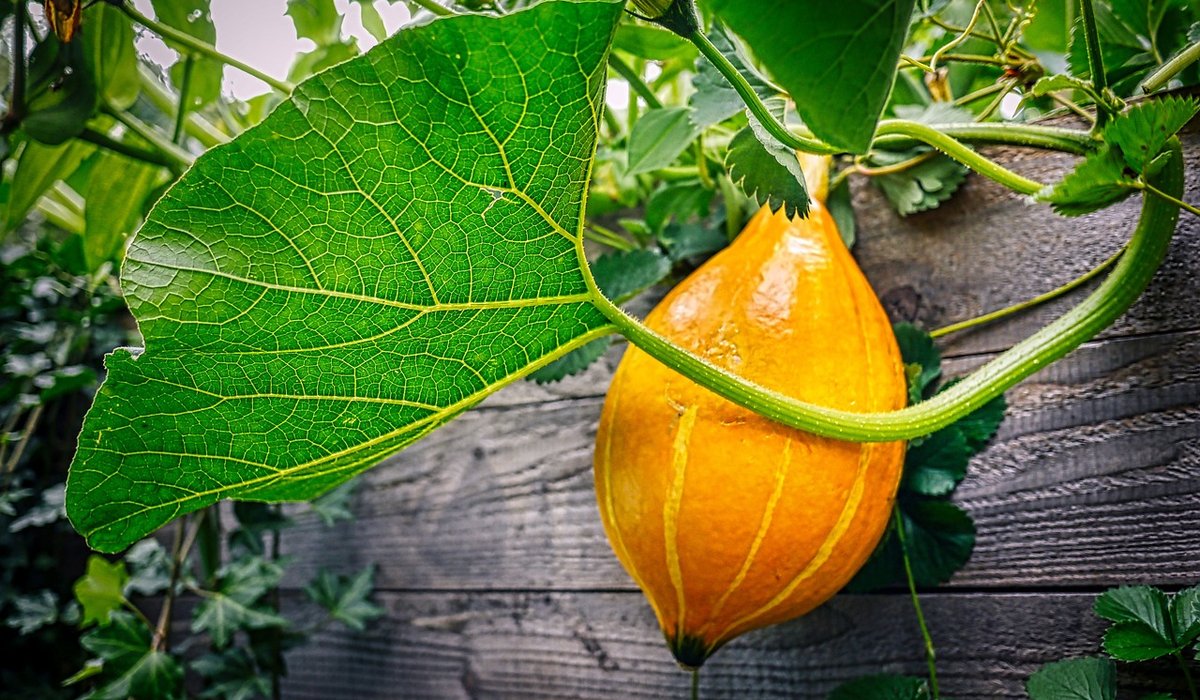
Courgettes are the classic patio crop, but the standard varieties sprawl. Look for compact or bush types instead, which stay tidy and still crop generously. Plant a single courgette per 30-litre pot, keep it well watered, and pick the fruits while they are small — around 10 to 15cm — because leaving them to swell discourages further flowering. One healthy plant can easily give you a couple of courgettes a week through late summer.
Runner beans are another excellent choice, and they earn their space by growing upwards rather than outwards. Use a tall pot with a wigwam of canes or a simple obelisk frame, and sow two or three seeds per pot in late spring. Dwarf French beans work even better on a windy patio, needing no support at all and cropping heavily in a 10-litre pot. Both beans fix nitrogen and cope well with the warmth that radiates off paving, so a south-facing wall is ideal.
These are the crops that genuinely thrive in containers, partly because growing them in fresh compost each year avoids the soil-borne diseases that plague greenhouse beds. Choose determinate or bush tomatoes for pots — they stay compact and need little staking — or a reliable cordon type if you are happy to pinch out sideshoots and tie in the stem.
Peppers and chillies are slower to start but crop for months. Keep them in the sunniest spot you have, water consistently, and feed weekly once the first flowers set. A common mistake is overwatering: let the top centimetre of compost dry out before watering again, and never leave pots sitting in a saucer of stagnant water.
Not everything needs a huge pot. Cut-and-come-again salad leaves, rocket, spinach and chard all crop happily in shallow troughs or window boxes, and they are ideal for filling gaps between slower crops. Sow little and often — a short row every fortnight — rather than all at once, so you have tender leaves over a long season instead of a glut followed by nothing.
Radishes are ready in as little as four weeks, making them perfect for impatient beginners, and spring onions will grow in almost anything. Herbs deserve a section of their own: basil, parsley, chives and coriander all love pots, and keeping them close to the kitchen door means you actually use them. Rosemary, thyme and sage prefer a gritty, free-draining mix and rather less water than the soft herbs.
If there is one thing that kills patio vegetables, it is inconsistent watering. Containers hold far less moisture than ground soil, and a hot, breezy day can dry a pot out completely by mid-afternoon. Water thoroughly until it runs out of the drainage holes, ideally in the early morning, and check again on hot evenings.
Plants in pots generally need feeding far more often than those in the ground, so a weekly liquid feed from midsummer onwards will keep them productive rather than pale and stunted.
Patio growing and wildlife gardening go together better than most people expect. Let a few herbs — particularly dill, fennel and chives — run to flower and you will attract hoverflies and bees that also help pollinate your tomatoes and beans. A shallow dish of water with a few pebbles gives insects and birds somewhere to drink without drowning.
Avoid spraying at the first sign of greenfly. A strong jet of water, or simply squashing them by hand, usually does the job on a small patio, and ladybirds will soon arrive to finish the rest. Companion planting helps too: a few marigolds or nasturtiums among your pots draw pests away from your crops and brighten the whole arrangement.
Start small, pick varieties bred for containers, and keep that watering can handy. A modest patio can easily supply salads, herbs and a steady trickle of beans and courgettes right through to autumn.

Growing Brook We spend our time finding what works so you don't have to, and sharing exactly what made the difference.

Growing Brook No rushing, no fuss — just thoughtful notes and practical help, written by people who care.

Understand no-dig principles, layering organic matter and feeding soil life to improve fertility in raised beds and borders.

Comments
ALina Kelian
19th May 2018 ReplyGrowing Brook Written for people who value the details, and want honest guidance they can trust. ullamco laboris nisi ut aliquip ex ea commodo consequat.
Rlex Kelian
19th May 2018 ReplyGrowing Brook No rushing, no fuss — just thoughtful notes and practical help, written by people who care. ullamco laboris nisi ut aliquip commodo.
Roboto Alex
21th May 2018 ReplyGrowing Brook We spend our time finding what works so you don't have to, and sharing exactly what made the difference. ullamco laboris nisi ut aliquip ex ea commodo consequat.